
Pilot in Croatia: Transforming cancer nursing education through digital innovation

Advancing oncology nursing education for the future
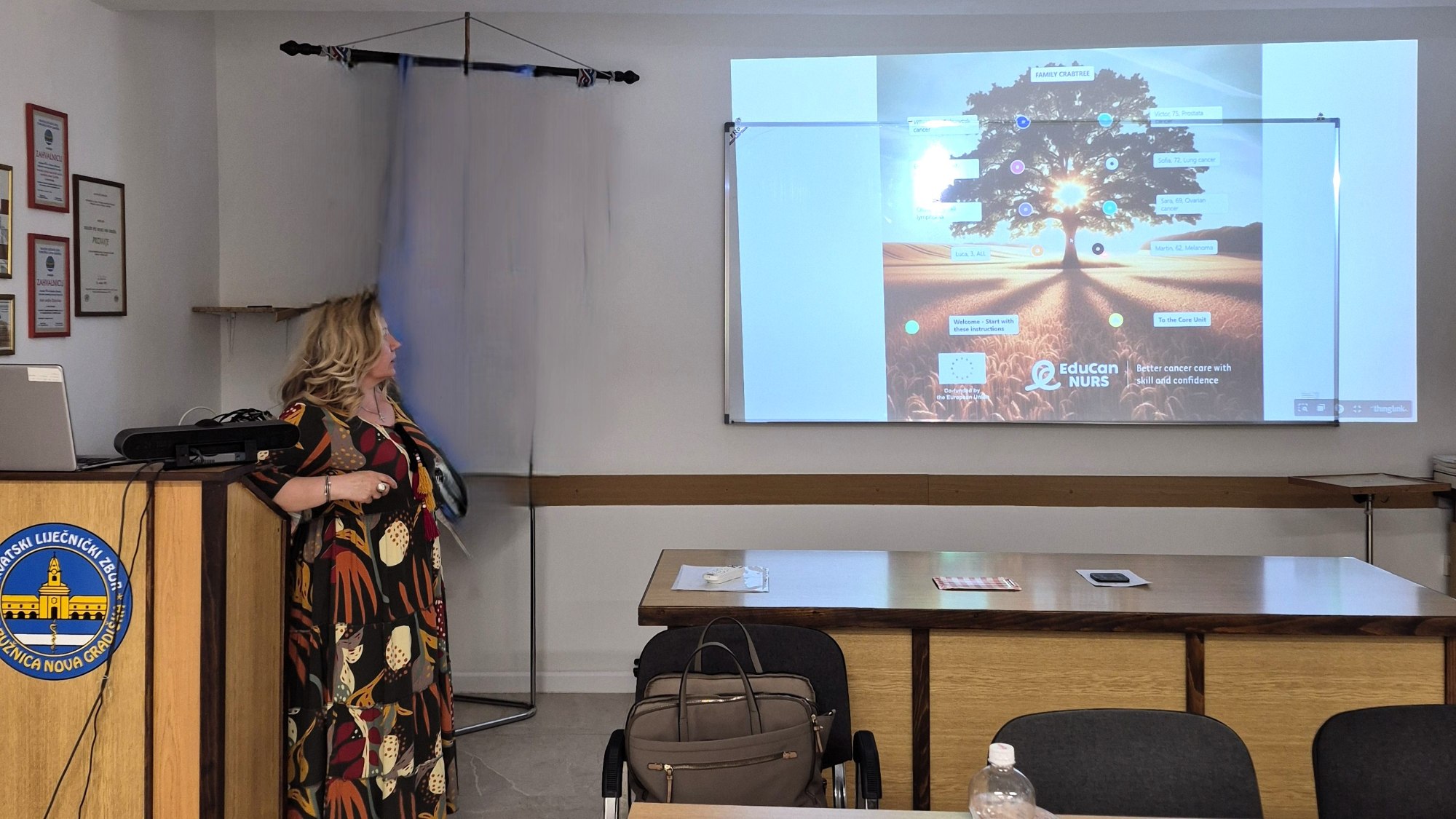
Cancer care continues to be one of the most demanding and rapidly evolving areas of healthcare. As the number of people affected by cancer grows worldwide, the need for highly skilled and well-prepared oncology nurses has never been greater. In response to this challenge, the EduCanNURS project has introduced an innovative digital learning platform designed to support the education and professional development of current and future cancer nurses.
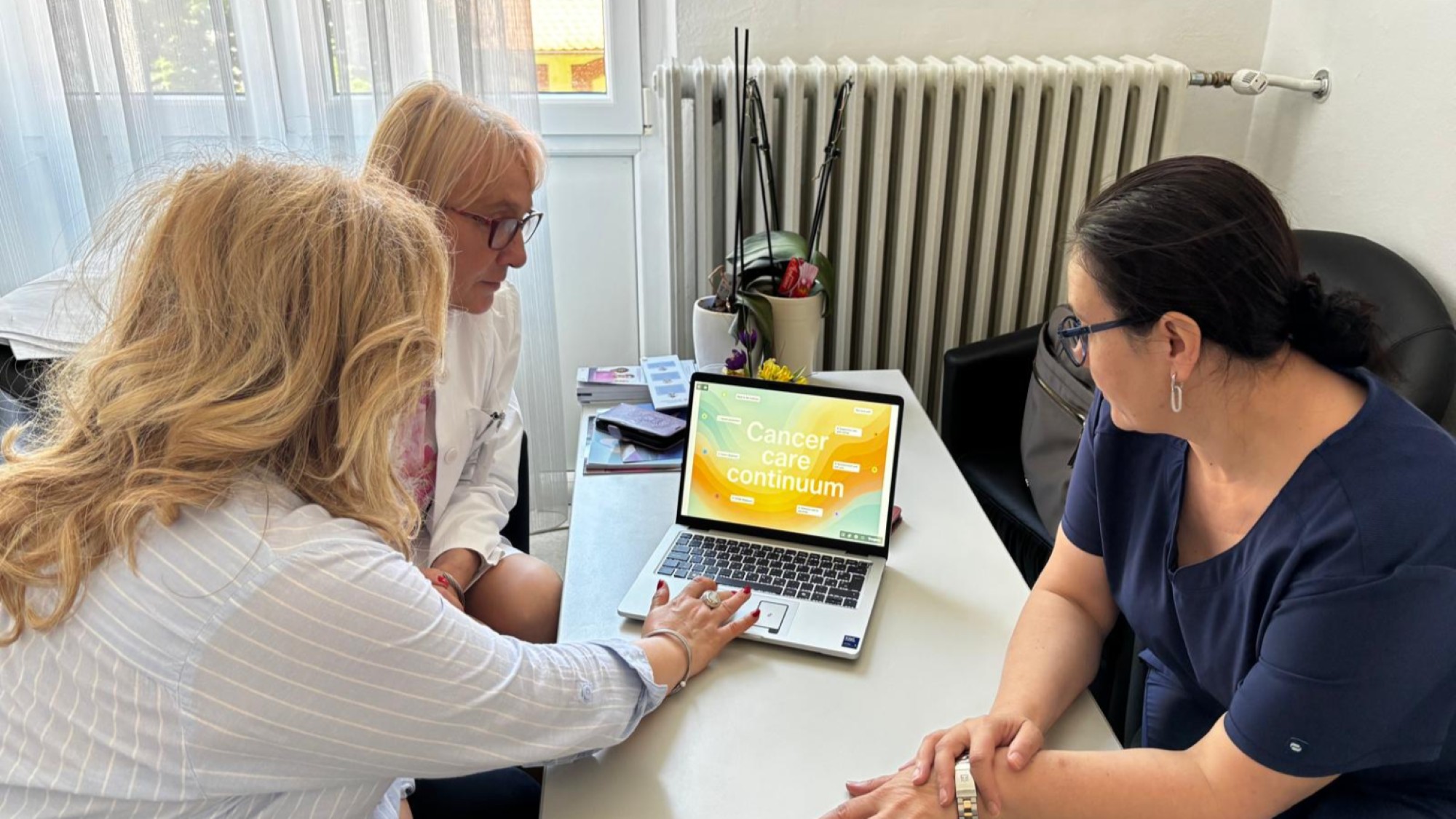
The Croatian pilot implementation of EduCanNURS has provided valuable insights into how digital learning can enhance oncology nursing education and prepare healthcare professionals for the complex realities of cancer care.
A positive learning experience
Participants in the Croatian pilot highlighted their strong motivation to engage with the EduCanNURS module. Their primary goals were to expand existing knowledge, stay up to date with current clinical guidelines, and develop practical skills relevant to modern oncology nursing practice.
Students described the learning experience as engaging, well-structured, and highly relevant. The platform’s combination of videos, case studies, scientific resources, interactive materials, and practical examples helped maintain attention and supported effective knowledge acquisition.
One participant reflected:
The module significantly contributed to a better understanding of the needs, experiences, and challenges faced by people with cancer.
Bridging theory and clinical practice
A key strength of EduCanNURS is its ability to connect theoretical knowledge with real-world clinical practice. Participants particularly valued:
- Clinical case studies
- Patient experience narratives
- Demonstration videos of nursing skills
- Psychosocial support scenarios
- Practical guidance for patient education
Video demonstrations, such as breast self-examination techniques, were identified as especially useful because they provide healthcare professionals with clear, practical examples that can later be applied when educating patients.
The inclusion of real patient experiences also helped learners better understand the emotional and psychological dimensions of cancer care, reinforcing the importance of person-centred and holistic nursing approaches.
Strengthening emotional and family support skills
Modern oncology nursing extends far beyond physical care. Nurses play a crucial role in supporting patients and their families throughout the cancer journey.
Following completion of the module, participants reported increased confidence in providing emotional support and addressing psychosocial needs. They particularly appreciated the focus on communication, empathy, family involvement, and holistic care.
One student noted:
The module further improved my knowledge of the psychosocial support that nurses provide to patients and their families and emphasized the importance of family involvement and a holistic approach to the care process.
Supporting educators and enhancing teaching
The benefits of EduCanNURS extend beyond students. Educators involved in the pilot praised the platform for its clear structure, comprehensive content, and ability to align learning outcomes, teaching activities, and assessment methods.
The platform’s visual organization resembles a dynamic mind map, allowing users to explore topics progressively while maintaining clarity. Teachers highlighted the value of having videos, reading materials, scientific literature, practical activities, and assessment resources integrated into a single environment.
This unified approach not only improves consistency across teaching programmes but also reduces preparation time, allowing educators to focus more on student engagement and learning.
Promoting evidence-based practice
One of the most appreciated features of the platform is the immediate access it provides to scientific literature and evidence-based resources. Rather than spending hours searching for relevant information, students can access high-quality, topic-specific resources directly within the learning pathway.
This encourages deeper exploration of oncology nursing topics while strengthening students’ ability to incorporate research evidence into clinical decision-making and patient care.
Opportunities for future development
While feedback was overwhelmingly positive, participants also identified opportunities for enhancement, including:
- More simulation exercises and interactive scenarios
- Additional clinical case studies
- Expanded content on spiritual care
- Greater emphasis on practical nursing procedures
- More visual examples of treatment-related side effects
- Improved consistency of subtitles across educational videos
- Enhanced opportunities for learner interaction and questioning
These suggestions will help ensure that future versions of EduCanNURS continue to evolve alongside advances in cancer care and educational technology.
Looking ahead
The Croatian pilot confirms that EduCanNURS is much more than a digital learning platform. It is a comprehensive educational ecosystem that combines theory, practice, research, and innovation to support the next generation of oncology nurses.
By integrating multimedia learning, evidence-based resources, patient-centred perspectives, and practical skill development, EduCanNURS offers a modern approach to cancer nursing education that is aligned with the needs of today’s healthcare professionals.
As cancer care continues to evolve, initiatives such as EduCanNURS will play an essential role in preparing nurses to deliver compassionate, informed, and high-quality care to patients and families affected by cancer.
Writer: Silvija Piškorjanac, Josip Juraj Strossmayer University of Osijek