
Piloting the cancer care continuum module: insights from teachers and students
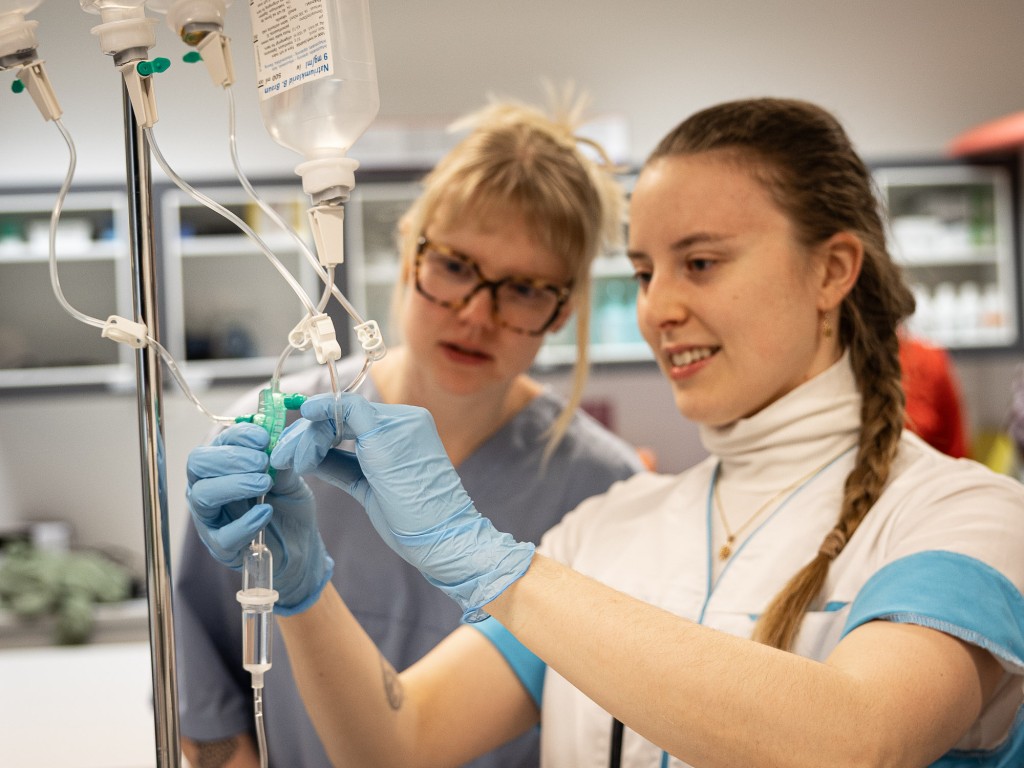
The EduCanNURS Cancer Care Continuum module was piloted with an online nursing student group at Turku University of Applied Sciences. Interviews with teachers and students show that the pilot supported learning well and offered a clear structure for exploring cancer care.
Implementation and overall experiences
Teachers integrated the module into a five ECTS course combining cancer nursing, palliative care and practical sessions. Students completed the ThingLink materials independently and applied their knowledge in classroom activities, tests and simulations.
Both groups highlighted that having all materials in one organised platform made studying easier and reduced the need to navigate multiple external links. Students described the workload as well balanced and felt they gained a clearer understanding of cancer pathways.
Students gained confidence and new insights, and teachers found the material flexible for different learning needs.
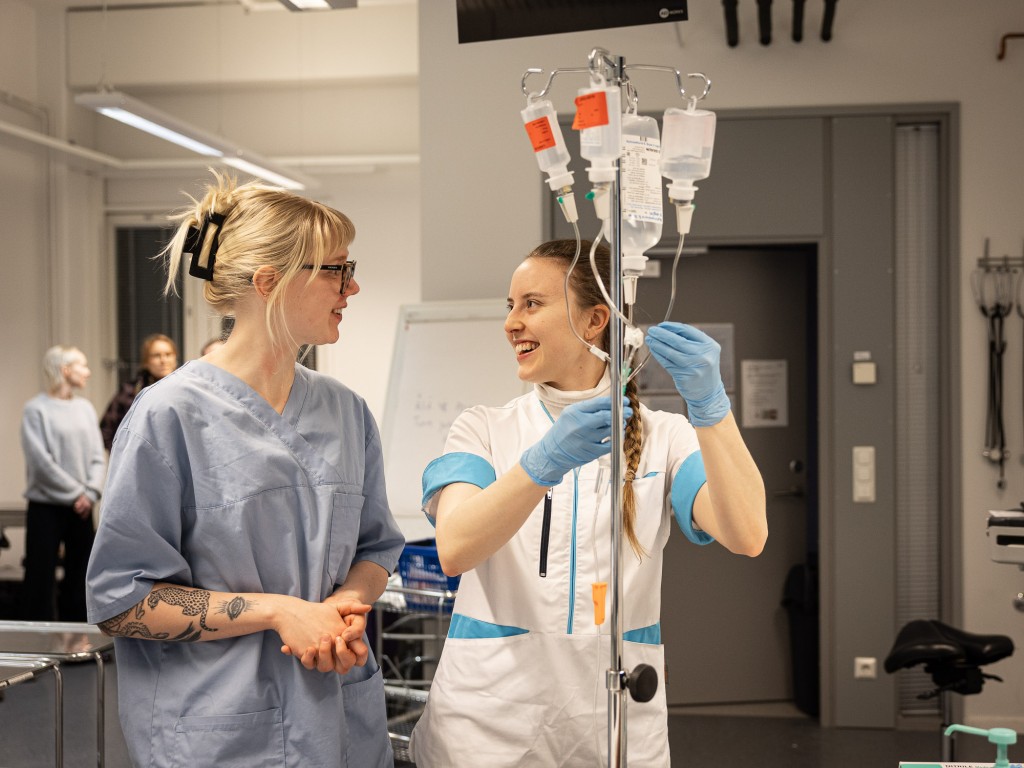
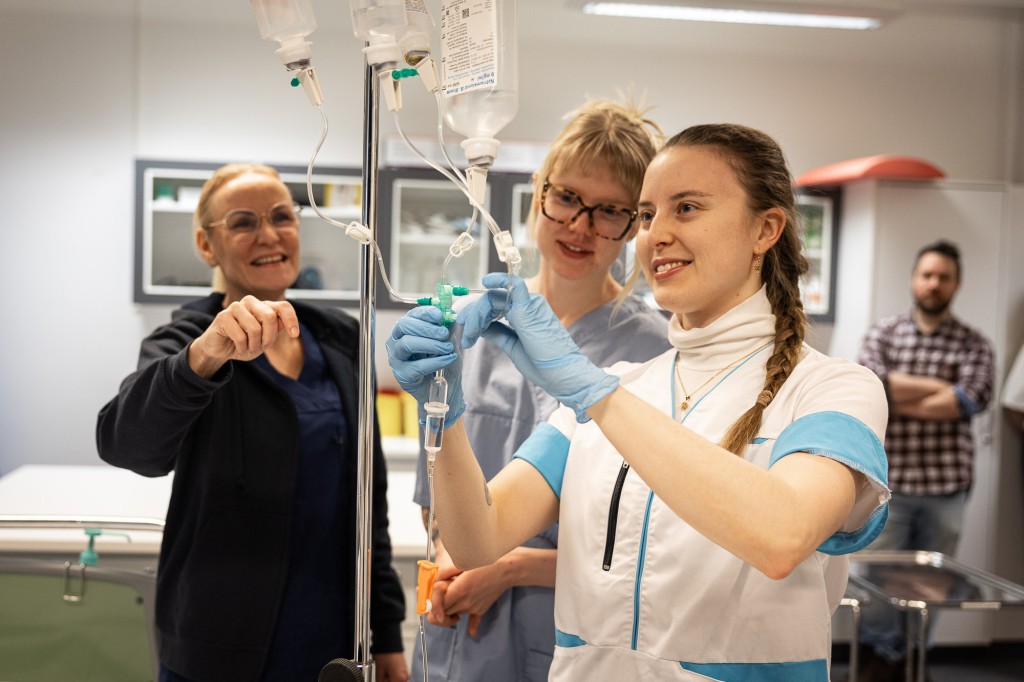
Practical classroom sessions were frequently mentioned as a strong element. Seeing equipment, practising symptom assessments and reviewing cytotoxic drug handling helped students connect theory to practice. Teachers observed that students engaged actively and produced high‑quality assignments, such as posters and short educational videos.
Positive aspects of content and learning
Students appreciated that the module included up‑to‑date information and real patient perspectives, which they found more meaningful than textbook descriptions. The structured core unit helped them understand the phases of cancer care, even when the topic felt complex or unfamiliar.
Teachers noted that independent study supported deeper learning and that the module enabled them to use contact time for discussion, clarification and practical work.
Having all materials in one organised platform made studying easier and reduced the need to navigate multiple external links.
Both groups valued the international dimension. Teachers saw it as a useful way to compare practices, and students recognised that it offered a broader understanding of cancer care beyond national guidelines.
Development needs
Despite the mainly positive experiences, both groups identified areas for improvement.
Usability feedback was consistent: users wanted clearer navigation, completion markers and larger text windows to support reading. Students also hoped for visible duration information for podcasts.
Regarding content, students wished for a stronger emphasis on the nursing role and more practical examples of everyday nursing tasks. Teachers agreed that complementing the international material with national nursing perspectives was necessary.
Students had mixed feelings about multimedia elements. While they appreciated patient videos, some found the AI‑generated narration monotonous or distracting. They suggested more varied visuals and a clearer indication of where AI had been used.
Simulations were valuable for many, but several students preferred in‑person or pre‑recorded scenarios over large online simulations. They felt clearer background information would help them participate more confidently.
Differences in teacher and student views
Teachers and students agreed on most points, though a few differences emerged:
- Contact time: Teachers felt the mix of independent work and short sessions worked well. Some students preferred using contact time for teaching rather than independent tasks.
- Simulations: Teachers saw the online simulations as successful. Students found them helpful but sometimes challenging to follow in a large group.
- Language: Teachers perceived English materials as unproblematic for this group, while some students described difficulties and used Finnish textbooks to support understanding.
- Assessment: Teachers considered the multiple‑choice exam too easy. Students did not comment on difficulty but mentioned small technical issues.
Moving forward
The pilot showed that a unified digital environment, independent learning and practical sessions can support cancer nursing education effectively. Students gained confidence and new insights, and teachers found the material flexible for different learning needs.
The feedback offered clear direction for development: improving navigation, refining multimedia, strengthening the nursing perspective and planning contact time to maximise interaction. Both teachers and students expressed interest in using the module again after updates, providing a strong basis for further development within EduCanNURS.
In addition, ThingLink piloting is underway during the spring at the University of Galway and the University of Osijek. It will be highly interesting to learn from their experiences and development ideas. After the pilots, the ThingLink module will be refined based on the feedback gathered from both institutions.
Text: Isa Öhberg
Photos: Anne Nenonen